
- Understanding cellulite
- The role of the lymphatic system
- How lymphatic drainage massage works
- The connection between lymphatic massage and cellulite
- The benefits of lymphatic massage beyond cellulite reduction
- Common myths about lymphatic massage and cellulite
- The science. What research says?
- Combining lymphatic massage with lifestyle changes
- The psychological benefits of lymphatic massage
- Professional versus self-massage
- Separating promise from illusion
Cellulite is one of the most common cosmetic concerns among women, affecting up to 90% of the female population at some point in their lives. Despite being completely natural and harmless, it often becomes a source of frustration and insecurity. Over the years, countless treatments have claimed to reduce or eliminate cellulite, from creams and wraps to high-tech devices. Among the most popular and widely discussed methods is lymphatic drainage massage, a gentle technique said to improve circulation, detoxify the body, and smooth the skin’s appearance.
But how effective is lymphatic massage in combating cellulite? Is it a scientifically backed method, or simply another beauty myth? Let’s explore the facts, misconceptions, and real potential behind this increasingly popular treatment.
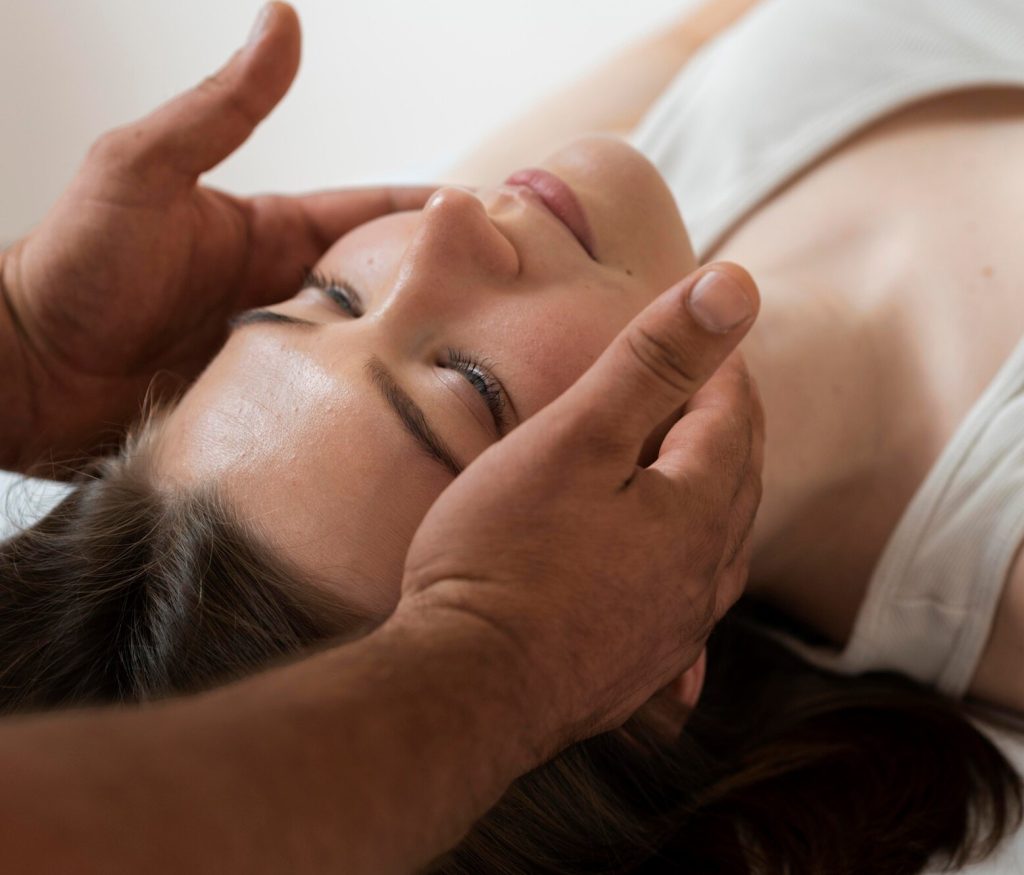
understanding cellulite
Understanding cellulite
To understand whether lymphatic massage can help, it’s important to grasp what cellulite actually is. Contrary to common belief, cellulite is not a result of excess fat alone. It’s a structural issue that affects the skin’s connective tissue, particularly in areas such as the thighs, buttocks, hips, and abdomen.
Cellulite occurs when fat deposits push through weakened connective fibres beneath the skin, creating a dimpled or uneven surface. Hormonal changes, genetics, poor circulation, and lifestyle factors all play a role in its formation.
While it’s often associated with being overweight, even slim and active individuals can have cellulite. Women are more prone to it due to the way fat and connective tissue are arranged in their bodies, vertically rather than in a crisscross pattern as in men, which makes the dimpling effect more visible.
lymphatic system
The role of the lymphatic system
The lymphatic system is a crucial yet often overlooked part of the human body. It acts as a secondary circulatory network, responsible for removing waste, toxins, and excess fluids from tissues. It also supports the immune system by transporting lymphocytes, white blood cells that fight infection.
Unlike the cardiovascular system, the lymphatic system doesn’t have a pump like the heart. Instead, lymph fluid moves through vessels thanks to muscle contractions, breathing, and body movement. When the lymphatic flow becomes sluggish, due to inactivity, poor diet, stress, or illness, fluid retention and toxin buildup can occur, leading to swelling and tissue congestion.
This is where lymphatic massage comes into play. By stimulating the lymph nodes and encouraging lymph flow, the technique helps the body clear out waste more efficiently, reducing puffiness and promoting overall tissue health.
lymphatic drainage
How lymphatic drainage massage works
The therapist applies soft, directional pressure towards the lymph nodes, located mainly in the neck, armpits, and groin. The goal is to move lymph fluid out of congested areas, enhance circulation, and restore the natural balance of the body’s drainage system.
This therapy is widely used in medical and aesthetic settings alike. Clinically, it helps manage conditions such as lymphedema (fluid retention after surgery) and chronic inflammation. In the beauty world, it’s valued for its detoxifying and body-sculpting effects, often marketed as a solution for cellulite and water retention.
the connection
The connection between lymphatic massage and cellulite
So, how does lymphatic massage relate to cellulite? The connection lies in improved circulation and detoxification. When the lymphatic system works efficiently, it prevents fluid build-up and reduces swelling in the tissues. Since cellulite is often accompanied by poor microcirculation and lymph stagnation, stimulating lymph flow may temporarily improve skin texture.
By reducing oedema (fluid retention) and encouraging oxygen delivery to tissues, lymphatic massage can make the skin appear firmer and smoother. However, it’s important to understand that this effect is primarily cosmetic and temporary. The massage doesn’t dissolve fat cells or permanently change the structure of connective tissue.
Instead, it supports the body’s natural processes, improving metabolism, reducing inflammation, and creating a healthier environment for skin and muscle tissues. For lasting results, it must be combined with other factors such as exercise, hydration, balanced diet, and lifestyle changes.
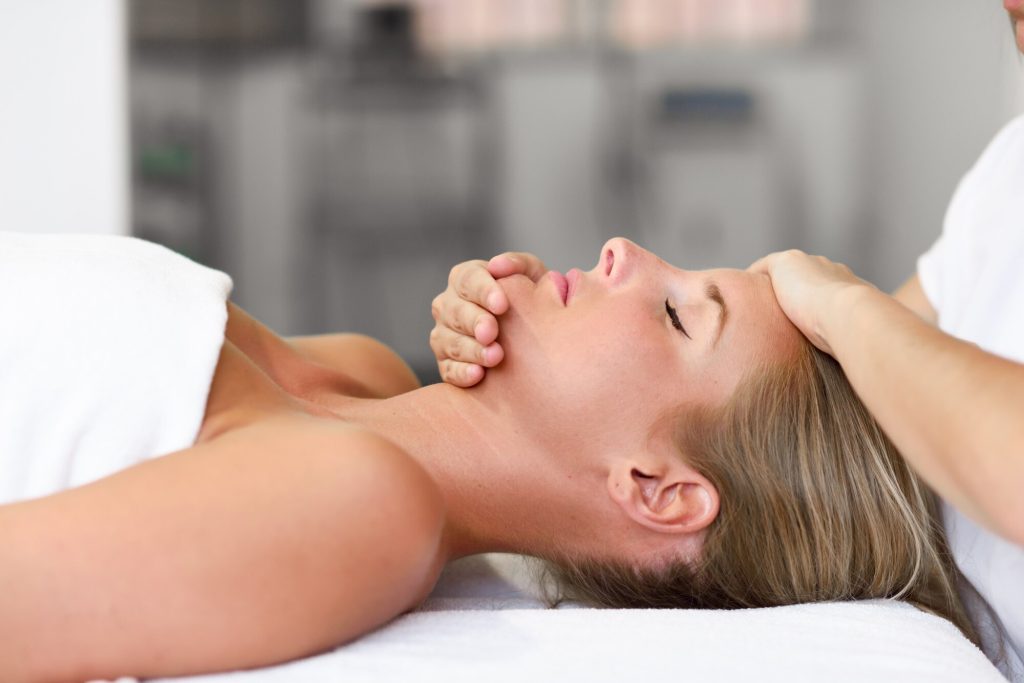
cellulite reduction
The benefits of lymphatic massage beyond cellulite reduction
Even if lymphatic massage isn’t a miracle cure for cellulite, its health benefits are undeniable. Regular treatments can have a positive impact on several aspects of wellbeing, such as:
- reducing swelling and water retention, particularly in the legs and ankles,
- improving immune system function by increasing lymph circulation,
- enhancing recovery after injury, surgery, or intense physical activity,
- relieving fatigue and promoting relaxation, especially in people with stress-related tension,
- supporting detoxification by helping the body eliminate metabolic waste.
These benefits make lymphatic massage a valuable therapy not just for cosmetic purposes but for overall wellness and body balance.
common myths
Common myths about lymphatic massage and cellulite
Like many popular wellness trends, lymphatic massage has generated its fair share of myths and misconceptions. Some of these are harmless exaggerations, but others can lead to unrealistic expectations. Let’s separate fact from fiction.
Myth 1: Lymphatic massage can eliminate cellulite permanently.
Myth 2: The harder the massage, the better the results.
Myth 3: Cellulite is caused by toxins.
Myth 4: Only women with excess weight have cellulite.
what research says
The science. What research says?
Scientific studies on lymphatic massage and cellulite offer mixed results. Some research supports its role in improving circulation and reducing local swelling, which may lead to temporary visual improvements in cellulite. Other studies, however, find limited evidence of long-term structural changes.
For example, studies published in the Journal of Cosmetic and Laser Therapy and Dermatologic Therapy found that manual lymphatic drainage, when combined with exercise or other treatments such as radiofrequency or endermologie, enhanced the overall effectiveness of anti-cellulite programmes.
The key takeaway from current research is that lymphatic massage works best as part of a holistic approach, not as a stand-alone cure. Regular sessions can maintain skin elasticity, improve fluid balance, and enhance the results of other cosmetic or fitness interventions.
massage for injury
Combining lymphatic massage with lifestyle changes
If your goal is to minimise the appearance of cellulite, combining lymphatic massage with healthy habits yields the best results. Massage helps optimise bodily functions, but lasting improvements depend on supporting your lymphatic and circulatory systems daily.
Some effective complementary strategies include:
- Staying well-hydrated to maintain healthy tissue function.
- Engaging in regular exercise, especially cardio and strength training to boost circulation.
- Eating a balanced diet rich in antioxidants, fibre, and omega-3 fatty acids to support skin health.
- Avoiding excessive salt and processed foods that contribute to fluid retention.
- Incorporating dry brushing or self-massage between professional sessions to stimulate lymph flow.
benefits of lymphatic
The psychological benefits of lymphatic massage
Beyond physical effects, lymphatic massage also contributes to emotional wellbeing. The gentle, repetitive motions promote deep relaxation and help reduce stress, one of the factors that indirectly exacerbate cellulite by influencing hormones such as cortisol and oestrogen.
Clients often report a sense of lightness, improved energy, and better body awareness after a session. This mental connection to the body fosters self-acceptance and a healthier outlook on beauty, shifting the focus from “flaws” to overall wellness.
professional vs selfmassage
Professional versus self-massage
While professional lymphatic drainage should be performed by trained therapists, certain self-care techniques can complement it. Light, circular strokes performed at home, particularly on the legs and thighs, can help maintain lymph flow between sessions.
However, it’s important to follow proper technique and avoid excessive pressure. The best results come from regular professional treatments combined with mindful self-care practices at home.
separating promise
Separating promise from illusion
Lymphatic massage plays a valuable role in the holistic management of cellulite, but it’s not a magic solution. It supports the body’s natural systems, reduces fluid retention, and enhances skin texture, yet it cannot permanently remove cellulite or alter underlying fat structures.
The real power of lymphatic massage lies in its ability to improve circulation, boost wellbeing, and enhance the results of a balanced lifestyle. When approached with realistic expectations, it becomes a tool not just for cosmetic enhancement, but for maintaining overall health and vitality.
In the end, the fight against cellulite isn’t about perfection, it’s about harmony. Lymphatic massage reminds us that beauty and wellness are interconnected, and that the path to smoother, healthier skin often begins with nurturing what’s beneath the surface.
Massage Treatments
Check out our massages
Choose the right massage for you and combine relaxation with therapy for your body and muscles.
If you need help, contact me!
