
- The physiological demands of exercise
- Enhancing circulation and nutrient delivery
- Reducing muscle soreness and stiffness
- Supporting flexibility and joint mobility
- Addressing muscular imbalances and injury prevention
- Psychological benefits and stress reduction
- Rehabilitation and post-injury support
- Integration with other recovery strategies
- The role of frequency and consistency
- Elevating recovery through sports massage
Athletes and fitness enthusiasts often devote immense attention to their training schedules, diet plans and performance goals, yet one of the most vital aspects of progress is frequently overlooked: recovery. Muscles do not grow or strengthen during exertion, but rather during the periods of rest and repair that follow. Without effective recovery strategies, training can quickly lead to fatigue, reduced performance, and even injury. Among the many recovery methods available, sports massage stands out as a powerful tool that combines physical and psychological benefits.
Sports massage, a form of therapeutic bodywork designed specifically for active individuals, focuses on reducing muscle tension, improving circulation, enhancing mobility and supporting the body’s natural healing processes. Far from being a luxury, it has become an integral part of athletic routines at both professional and amateur levels. To appreciate its true value, it is important to understand how sports massage supports the body after intense physical activity.
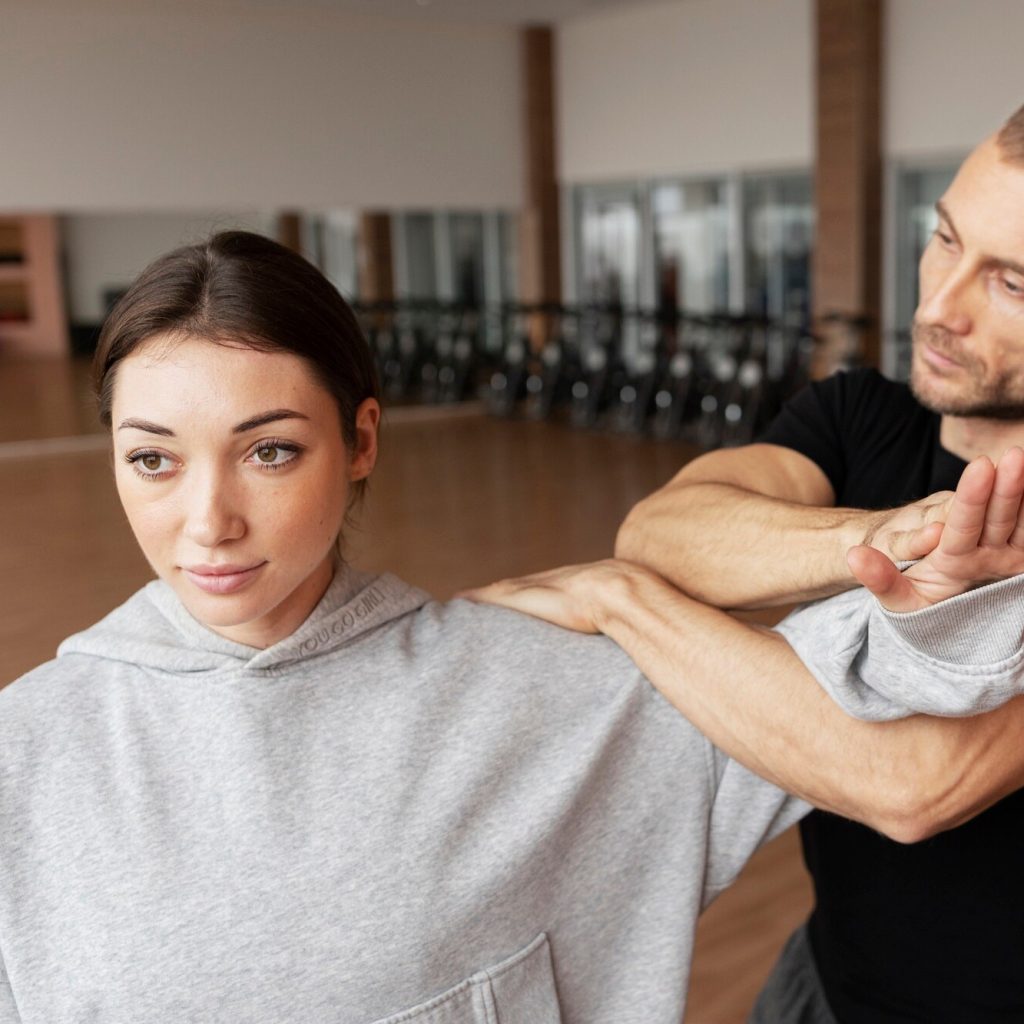
demands of exercise
The physiological demands of exercise
Exercise, particularly when intense or prolonged, places stress on muscles, tendons and joints. During activity, microscopic tears develop in muscle fibres, and metabolic by-products such as lactic acid accumulate. This natural process leads to soreness, stiffness and a temporary reduction in strength. While these changes are essential for adaptation and growth, they also create discomfort and, if unmanaged, increase the risk of overtraining or injury.
The cardiovascular and lymphatic systems are also taxed during exercise. While circulation is heightened during activity, waste products can remain trapped in tissues once movement stops. Inadequate recovery at this stage may slow down the repair process, prolong muscle soreness and hinder subsequent performance. Sports massage provides targeted support to counter these challenges.
Enhancing circulation
Enhancing circulation and nutrient delivery
One of the most significant benefits of sports massage lies in its ability to improve blood flow. The rhythmic pressure and manipulation of muscles stimulate circulation, ensuring that oxygen-rich blood and essential nutrients are delivered efficiently to fatigued tissues. This accelerated supply supports the repair of microtears and encourages faster healing.
At the same time, massage assists the removal of waste products such as carbon dioxide and lactic acid, reducing the likelihood of lingering soreness. By enhancing both delivery and clearance, sports massage creates optimal conditions for recovery, enabling the body to bounce back more effectively after demanding sessions.
muscle soreness
Reducing muscle soreness and stiffness
Supporting flexibility
Supporting flexibility and joint mobility
Flexibility and mobility are essential for both performance and injury prevention. Intense training, however, often leads to shortened, tight muscles that restrict movement. This imbalance can place added strain on joints and connective tissues, increasing the likelihood of strain or overuse injuries.
Sports massage targets these imbalances by lengthening muscle fibres and releasing adhesions within fascia, the connective tissue that surrounds muscles. As a result, range of motion improves, allowing athletes to move more efficiently and with less risk of compensatory patterns. Over time, maintaining flexibility through massage can enhance overall performance and resilience.
muscular imbalances
Addressing muscular imbalances and injury prevention
Many athletes develop muscular imbalances due to repetitive movements in their chosen sport. For instance, runners may overuse certain leg muscles, while tennis players may experience asymmetry in the upper body. Left unchecked, these imbalances can lead to chronic strain and injury.
Through targeted assessment and treatment, sports massage identifies and addresses these problem areas. By loosening tight muscles and stimulating weaker ones, it restores balance and prevents compensatory stress on joints and ligaments. This proactive approach to injury prevention is one of the reasons why sports massage has become a standard part of elite training regimes.
stress reduction
Psychological benefits and stress reduction
Post-workout recovery is not purely physical. Mental fatigue, stress and anxiety often accompany intense training, particularly in competitive contexts. Sports massage offers a psychological reset, providing relaxation through the calming rhythm of touch. This reduces cortisol levels, promotes the release of endorphins and supports better sleep quality, all of which are vital for full recovery.
The meditative aspect of massage also allows athletes to reconnect with their bodies, enhancing awareness of tension, fatigue and potential areas of concern. This mindfulness can be invaluable in adjusting training loads, preventing burnout and maintaining motivation.
post-injury support
Rehabilitation and post-injury support
In cases where injury has already occurred, sports massage can play a supportive role in rehabilitation. By stimulating circulation and reducing scar tissue formation, massage promotes more effective healing of soft tissues. It can also prevent secondary problems such as compensatory muscle tension in areas surrounding the injury.
When integrated into a structured rehabilitation programme under the guidance of medical professionals, sports massage aids in restoring function, reducing pain and facilitating a safe return to training. Its adaptability means it can be applied gently during early stages of recovery and with greater intensity as healing progresses.
recovery strategies
Integration with other recovery strategies
While sports massage is highly effective, it should not be viewed in isolation. Its benefits are maximised when combined with other recovery strategies such as hydration, proper nutrition, active recovery exercises and sufficient rest. Stretching, foam rolling and physiotherapy all complement the work of massage, creating a holistic recovery framework.
Athletes who integrate sports massage into this wider context often experience cumulative benefits, reduced injury incidence, greater training consistency and enhanced overall performance. It becomes not merely a reactive tool after discomfort arises, but a proactive part of maintaining long-term health and athletic capacity.
The role of frequency
The role of frequency and consistency
The effectiveness of sports massage depends not only on technique but also on frequency. A single session may provide immediate relief, but long-term adaptation requires consistency. For professional athletes, massage may be scheduled multiple times per week. For recreational enthusiasts, regular monthly or fortnightly sessions can still yield significant improvements.
The key is tailoring frequency to training demands and individual needs. Those undergoing intense preparation for competitions may require more frequent treatments, while individuals exercising for general fitness may find occasional sessions sufficient to maintain comfort and mobility.
sports massage
Elevating recovery through sports massage
Recovery is as crucial to performance as training itself, and sports massage offers a uniquely effective way to support the body’s natural processes of repair and renewal. By enhancing circulation, reducing soreness, improving flexibility, addressing imbalances and offering psychological relief, it provides comprehensive support that extends beyond temporary relaxation.
For athletes at every level, sports massage should be seen not as an indulgence but as an investment in performance and wellbeing. When integrated into a broader recovery strategy, it maximises training outcomes, prevents injuries and sustains long-term physical health. In a world where fitness is often measured by effort and intensity, the quiet yet powerful role of recovery must not be underestimated, and sports massage stands as one of its most valuable allies.
Massage Treatments
Check out our massages
Choose the right massage for you and combine relaxation with therapy for your body and muscles.
If you need help, contact me!
