
- Supporting recovery and reducing swelling
- For chronic swelling and lymphoedema
- Supporting detoxification and immune function
- After periods of inactivity or during convalescence
- Reducing puffiness and improving skin tone
- For stress relief and relaxation
- During pregnancy, with caution and professional guidance
- Who should avoid lymphatic massage?
- A therapy with diverse applications
The human body is a complex structure where multiple systems work in harmony to maintain balance and health. One of the lesser-known but highly significant systems is the lymphatic system. Unlike the circulatory system, which is powered by the heart, the lymphatic system has no central pump. Instead, it relies on the natural movement of muscles, breathing, and manual stimulation to move lymphatic fluid. This fluid plays a crucial role in removing toxins, transporting white blood cells, and maintaining proper immune function.
Lymphatic massage, also referred to as manual lymphatic drainage, is a therapeutic technique designed to stimulate the flow of lymph fluid. It involves gentle, rhythmic movements that encourage drainage of waste products and excess fluid. While it may sound like a purely medical procedure, lymphatic massage is increasingly used in wellness, aesthetics, and rehabilitation contexts. The question arises: when is it worth opting for lymphatic massage, and what benefits can one truly expect?
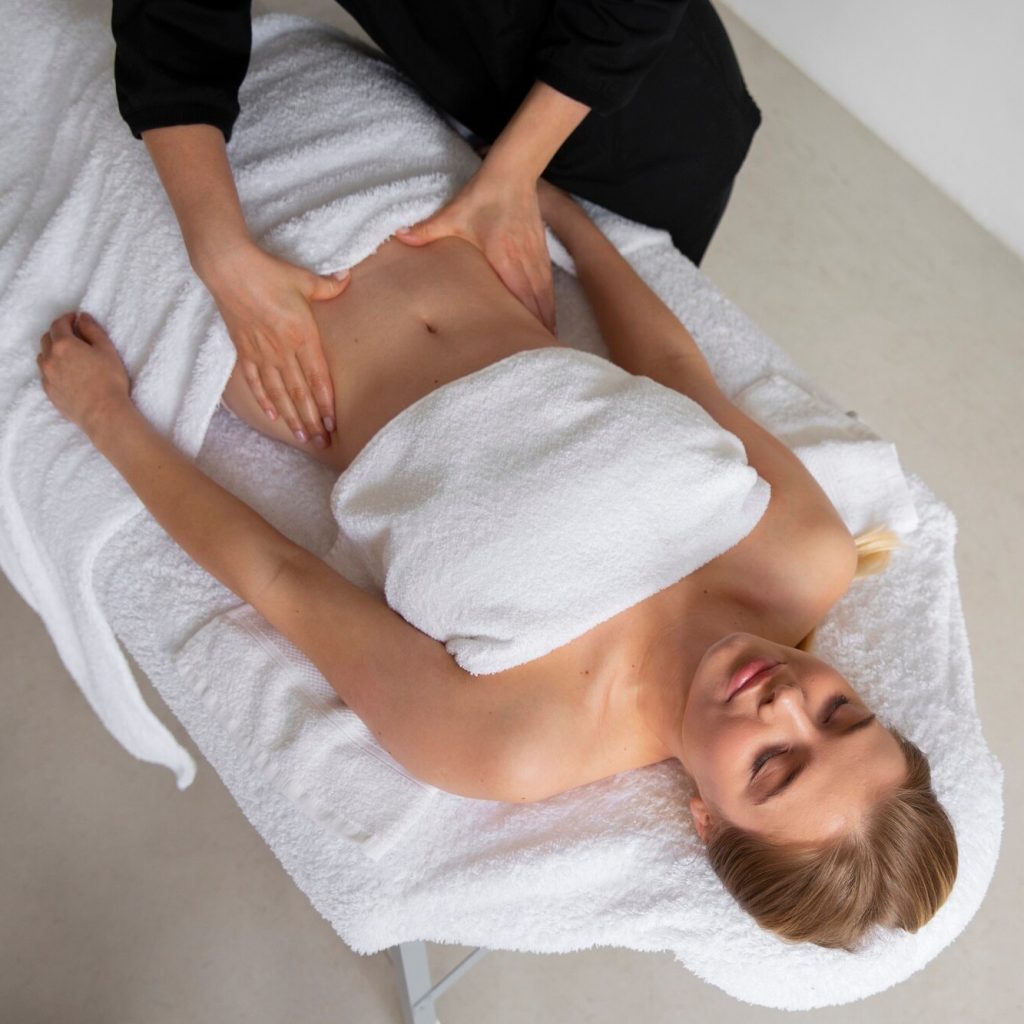
Supporting recovery
Supporting recovery and reducing swelling
One of the most common contexts in which lymphatic massage proves invaluable is the post-surgical period. Many operations, particularly cosmetic procedures such as liposuction, tummy tucks, or facelifts, as well as orthopaedic surgeries, lead to swelling caused by fluid accumulation. This is a natural reaction of the body, yet it can prolong recovery and cause discomfort.
Lymphatic massage can support the healing process by reducing oedema, enhancing circulation, and promoting faster tissue regeneration. Gentle manual stimulation helps the body remove excess fluid while simultaneously decreasing the risk of fibrosis and scarring. Many surgeons recommend lymphatic drainage as part of post-operative care, highlighting that patients often experience less pain and quicker improvement in mobility when it is included in the recovery plan.
lymphoedema
For chronic swelling and lymphoedema
Another major indication for lymphatic massage is lymphoedema, a condition caused by a blockage or dysfunction in the lymphatic system, leading to chronic swelling, often in the limbs. This may occur after lymph node removal, radiation therapy, or as a result of congenital issues. Left untreated, lymphoedema can cause discomfort, heaviness, skin changes, and a higher risk of infection.
Lymphatic massage is considered one of the most effective non-invasive treatments for managing lymphoedema. By promoting the natural drainage of lymph, it helps reduce swelling, improve mobility, and enhance quality of life. Combined with compression garments and exercise, it forms part of what is known as complete decongestive therapy, a gold standard in managing the condition.
Supporting
Supporting detoxification and immune function Back Pain Through Massage
In the modern wellness landscape, detoxification is a term that appears frequently, although it is often misunderstood. The body naturally detoxifies itself through the liver, kidneys, and lymphatic system. However, sedentary lifestyles, poor posture, and limited physical activity can hinder the natural flow of lymph fluid, leading to a sense of sluggishness or swelling.
Convalescence
After periods of inactivity or during convalescence
The lymphatic system is highly dependent on movement. Prolonged inactivity, such as bed rest after illness or injury, can slow down lymph circulation and lead to fluid retention. Even modern desk-based lifestyles can contribute to poor lymphatic drainage, causing swelling in the ankles or legs.
For individuals recovering from prolonged illness or experiencing reduced mobility, lymphatic massage may serve as a supportive therapy. It not only alleviates fluid build-up, but also provides a sense of relaxation and reconnection with the body. By gently stimulating circulation, it can help the transition back to normal activity and improve overall wellbeing during convalescence.
Reducing puffiness
Reducing puffiness and improving skin tone
Beyond its medical applications, lymphatic massage is gaining popularity in the beauty and wellness industry. Many treatments focus on the face, where delicate techniques are used to reduce puffiness, improve circulation, and give the skin a radiant appearance. Facial lymphatic drainage is especially valued for its ability to decrease under-eye bags, refresh tired features, and enhance the effectiveness of skincare products.
In body treatments, lymphatic massage is often recommended to reduce the appearance of cellulite, contour the body, and alleviate water retention. While it is not a miracle solution, it can complement healthy lifestyle choices by promoting smoother skin and a lighter sensation in areas prone to swelling. Its non-invasive nature makes it an attractive option for those seeking natural ways to enhance their appearance.
stress relief
For stress relief and relaxation
Although lymphatic massage is primarily known for its health benefits, it also offers profound relaxation. The gentle, rhythmic nature of the movements has a calming effect on the nervous system, similar to meditation or deep breathing exercises. Many people who undergo lymphatic massage report feeling deeply relaxed, with reduced anxiety and improved sleep quality.
This aspect makes lymphatic massage a valuable tool not only for those with physical ailments but also for individuals experiencing high levels of stress or mental fatigue. By combining physical detoxification with emotional relaxation, it provides a holistic approach to wellness.
during pregnancy
During pregnancy, with caution and professional guidance the Birth Experience
Pregnancy is a period when many women experience fluid retention, particularly in the legs and ankles. Lymphatic massage, when performed by a trained professional, can provide relief by reducing swelling and discomfort. The gentle stimulation of lymph flow can improve circulation and alleviate the heavy feeling that often accompanies the later stages of pregnancy.
It is, however, essential that such treatments are conducted under medical advice and by therapists experienced in prenatal care. Not all techniques are suitable during pregnancy, and safety should always be the priority. When performed correctly, lymphatic massage can become a safe and soothing support for expectant mothers.
avoid lymphatic
Who should avoid lymphatic massage?
Although lymphatic massage is generally safe, it is not suitable for everyone. People with acute infections, congestive heart failure, kidney problems, or blood clots should avoid this therapy unless explicitly advised otherwise by a healthcare professional. The stimulation of lymph flow in such conditions may exacerbate health risks. This is why an initial consultation and, where appropriate, medical clearance are crucial before starting a course of lymphatic drainage treatments.
therapy
A therapy with diverse applications
Massage Treatments
Check out our massages
Choose the right massage for you and combine relaxation with therapy for your body and muscles.
If you need help, contact me!
