
- The origins and philosophy of Swedish massage
- The core techniques of Swedish massage
- The therapeutic benefits of Swedish massage
- When Swedish massage is the best choice
- Comparing Swedish massage to other techniques
- Ideal candidates for Swedish massage
- When to avoid Swedish massage
- Enhancing the Swedish massage experience
- The holistic nature of Swedish massage
- The timeless choice for balance and wellbeing
Massage therapy has become an integral part of modern wellness culture. From athletes seeking faster recovery to office workers hoping to relieve tension, massage offers a wide spectrum of techniques suited to different needs. Among them, Swedish massage remains one of the most popular and widely practised forms worldwide, and for good reason. It’s a foundational technique known for its ability to promote relaxation, improve circulation, and ease muscular tension without the intensity of deeper or more specialised methods.
But with so many options available, from deep tissue and hot stone therapy to Thai and sports massage, how can you tell when Swedish massage is the best choice? Understanding its purpose, benefits, and ideal applications can help you make an informed decision and ensure that your treatment delivers exactly what your body and mind need.
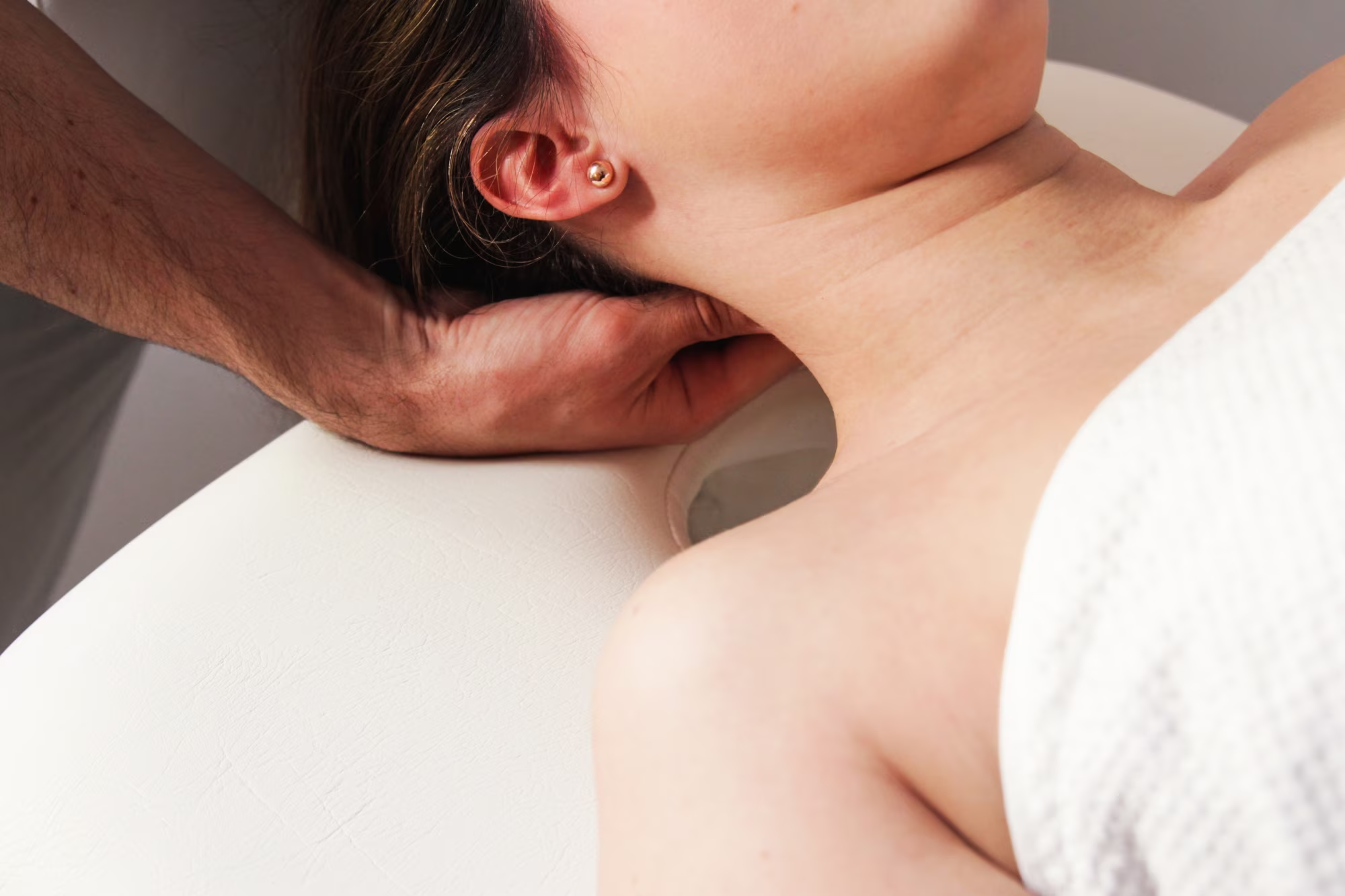
origins and philosophy
The origins and philosophy of Swedish massage
Swedish massage originated in the early 19th century and is often attributed to the Swedish physiologist Per Henrik Ling, who developed a system of therapeutic movements to enhance physical wellbeing. Over time, these techniques evolved into the classic Western-style massage that forms the foundation for most modern therapies.
The philosophy behind Swedish massage is based on the idea that the body and mind function best when circulation flows freely, muscles are relaxed, and tension is released. It combines long, gliding strokes, gentle kneading, rhythmic tapping, and circular movements to promote both physical and emotional harmony.
The technique works in alignment with the body’s natural physiology, encouraging oxygen flow, stimulating the lymphatic system, and helping the nervous system shift from a state of stress to relaxation.
the core techniques
The core techniques of Swedish massage
Swedish massage involves five primary movements, each serving a distinct purpose in the treatment process:
- effleurage - long, gliding strokes that warm up muscles, enhance circulation, and prepare the body for deeper work,
- petrissage - kneading and rolling movements that help release knots, loosen tight muscles, and improve elasticity,
- tapotement - rhythmic tapping or percussive motions used to stimulate muscles and awaken energy flow,
- friction - small, circular movements applied with deeper pressure to break down adhesions and increase flexibility,
- vibration - gentle shaking or trembling techniques designed to relax and soothe muscles after more intensive work.
These movements are performed with varying degrees of pressure, allowing the therapist to adapt the session to the client’s comfort level and objectives. This versatility makes Swedish massage suitable for a wide range of people, from first-time clients to those seeking relief from mild muscle discomfort.
therapeutic benefits
The therapeutic benefits of Swedish massage
On a physical level, Swedish massage improves circulation by promoting the flow of oxygen-rich blood throughout the body. This increased blood flow helps flush out toxins and metabolic waste while nourishing tissues and muscles. The gentle pressure also stimulates the lymphatic system, enhancing immune function and reducing fluid retention.
From a muscular perspective, it reduces stiffness, alleviates cramps, and improves range of motion, ideal for individuals with sedentary lifestyles or mild physical strain.
Equally important are its mental and emotional effects. The soothing, rhythmic nature of the strokes lowers cortisol (the stress hormone) levels, slows heart rate, and activates the parasympathetic nervous system. As a result, clients often experience deep relaxation, improved sleep, and reduced anxiety after a session.
the best choice
When Swedish massage is the best choice
Although there are many massage techniques available, Swedish massage is often the ideal starting point, or the most suitable option, in several scenarios.
It is best chosen when:
- Relaxation and stress relief are the primary goals. Swedish massage is unmatched in its ability to calm the nervous system and create a sense of tranquillity.
- Muscle tension is mild to moderate. It helps loosen tight areas without the intensity of deep tissue or sports techniques.
- You’re new to massage. The pressure can easily be adjusted, making it a gentle introduction to therapeutic touch.
- You’re recovering from emotional burnout. The slow, rhythmic pace helps re-establish mind-body balance.
- Improving circulation and flexibility is important, particularly for those with sedentary jobs or long hours at a desk.

Recovery from injuries
Comparing Swedish massage to other techniques
Swedish vs Deep Tissue Massage
Swedish vs Sports Massage
Swedish vs Aromatherapy Massage
Swedish vs Hot Stone Massage
ideal candidates
Ideal candidates for Swedish massage
Swedish massage is suitable for almost everyone, but certain groups particularly benefit from it.
It’s an excellent choice for people who:
- Lead sedentary or high-stress lifestyles, such as office workers or caregivers.
- Experience muscle fatigue or tension due to mild overuse or poor posture.
- Are recovering from illness and need gentle stimulation to restore energy and circulation.
- Are pregnant (with adaptations for safety), as it helps ease discomfort and promote relaxation.
- Struggle with anxiety, insomnia, or depression, as it naturally promotes calmness and serotonin production.
when to avoid
When to avoid Swedish massage
Although Swedish massage is safe for most people, there are situations where caution or alternative treatments are advised. Individuals with certain medical conditions, such as deep vein thrombosis, severe varicose veins, contagious skin infections, or acute inflammation, should consult a doctor before booking a session.
Similarly, if you’re recovering from surgery or a recent injury, your therapist may recommend waiting until the area has sufficiently healed. Clear communication with your massage therapist ensures the treatment is adjusted for comfort and safety.
massage experience
Enhancing the Swedish massage experience
A skilled therapist can further tailor a Swedish massage to meet specific needs. Adjusting pressure, focusing on problem areas, and incorporating relaxation techniques such as breathing exercises can enhance the overall experience.
Many therapists also use warm oils or lotions to reduce friction and nourish the skin, creating a luxurious and sensory-rich treatment. Adding aromatherapy, soft music, or low lighting can transform a basic massage into a deeply restorative ritual.
Hydration after the session is important to help the body flush out toxins released during the massage and to maintain muscle elasticity. Regular sessions, every two to four weeks, provide cumulative benefits, promoting long-term relaxation and improved circulation.
the holistic nature
The holistic nature of Swedish massage
What truly sets Swedish massage apart is its holistic approach. It doesn’t simply treat a sore muscle or a stiff joint, it addresses the body as an interconnected system influenced by both physical and emotional states.
By improving circulation, reducing muscle tension, and calming the nervous system, Swedish massage creates a chain reaction throughout the body. Better blood flow supports organ function, relaxed muscles reduce postural strain, and lowered stress hormones boost immunity and mental clarity.
This synergy makes Swedish massage an essential component of preventive healthcare rather than just a luxury treatment. Regular sessions can help manage long-term stress, improve sleep, and even reduce the risk of tension-related headaches or cardiovascular strain.
choice for balance
The timeless choice for balance and wellbeing
In the landscape of modern massage therapies, Swedish massage remains the cornerstone, timeless, effective, and universally beneficial. It’s the perfect choice when your goal is to unwind, rebalance, and gently restore harmony to both body and mind.
While other techniques may offer deeper pressure, targeted rehabilitation, or exotic flair, Swedish massage excels in its simplicity. It provides what many people truly need: a pause from the pace of daily life, a moment to breathe, and an opportunity to reconnect with one’s body.
Choosing Swedish massage over other techniques is not a compromise, it’s an act of self-care grounded in tradition and backed by science. Whether you’re a newcomer to massage therapy or simply seeking a soothing reset, this classic approach offers a foundation of wellbeing that never goes out of style.
Massage Treatments
Check out our massages
Choose the right massage for you and combine relaxation with therapy for your body and muscles.
If you need help, contact me!
